







Important information regarding the delidding of Intel “Arrow Lake” CPUs


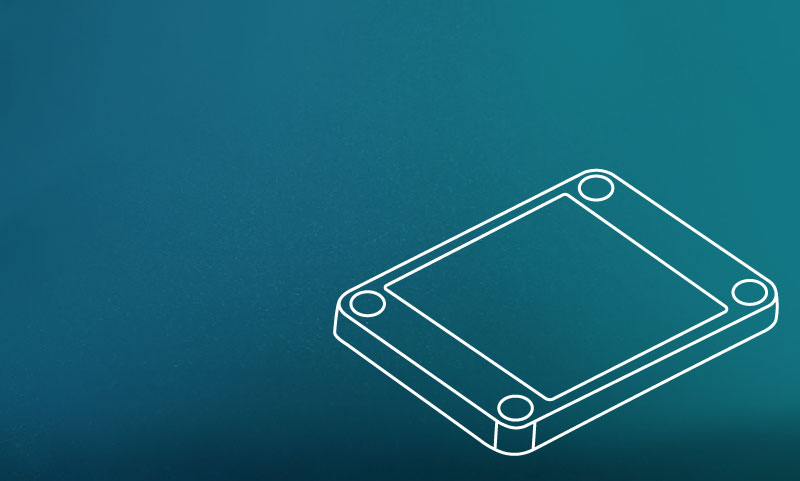
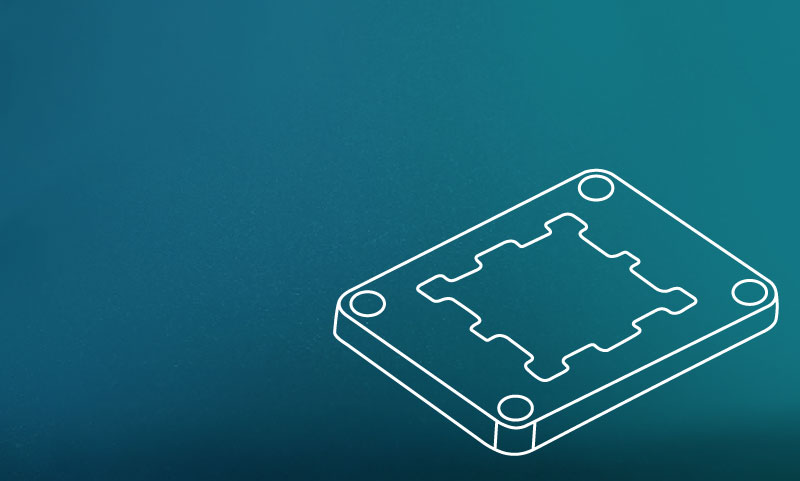
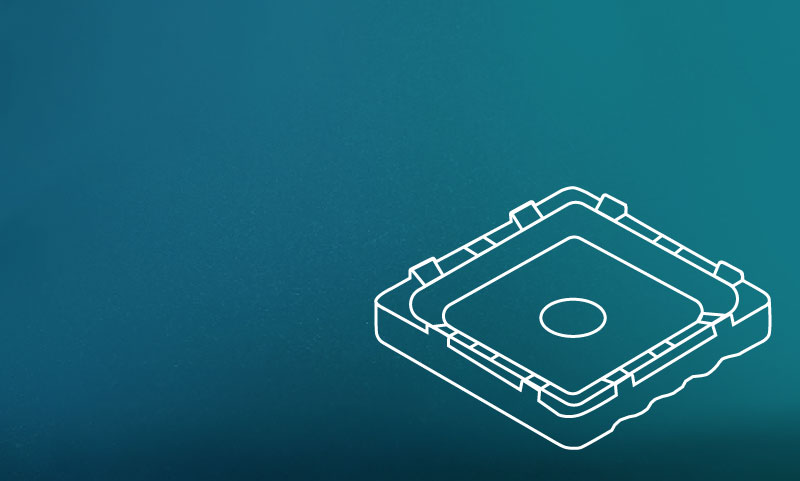
The Intel 1851 Delid-Die-Mate V1 is a tool for removing the heat spreader (delidding) from Intel processors in the "Intel Core Ultra 200" series (LGA1851 socket). By removing the Integrated Heat Spreader (IHS), CPUs can be cooled using the "Direct-Die" method, where the cooler is mounted directly onto the processor chip. This enables the most efficient transfer of thermal dissipation power (TDP), or simply put, the heat, from the processor to the cooling loop.




Delidding, or removing the heat spreader, is the process of separating the heat spreader from the processor. For processors that are not soldered, delidding is typically used to replace the thermal interface material (TIM) between the CPU die and heat spreader with high-quality thermal paste or liquid metal before reattaching the heat spreader. However, since Intel Core Ultra 200 series processors are soldered, this is not an option, as removing the indium solder would create too large a gap between the IHS and the CPU dies. Therefore, Intel Core Ultra 200 CPUs are primarily delidded to allow for the direct mounting of the CPU cooler onto the CPU dies. By omitting the heat spreader and mounting the cooler directly onto the dies, temperatures can typically be reduced by 10-15 °C when using liquid metal, such as Conductonaut, as the TIM.

Das Entfernen des Heatspreaders („Köpfen“, „delidden“) eines Removing the heat spreader (delidding) of a processor is done at your own risk! Delidding the CPU voids the manufacturer's warranty! Damage caused during delidding is not covered by the manufacturer!
When delidding a CPU with the Intel 1851 Delid-Die-Mate V1, it is essential to read the blog post and watch the video!
Important information regarding the delidding of Intel “Arrow Lake” CPUs

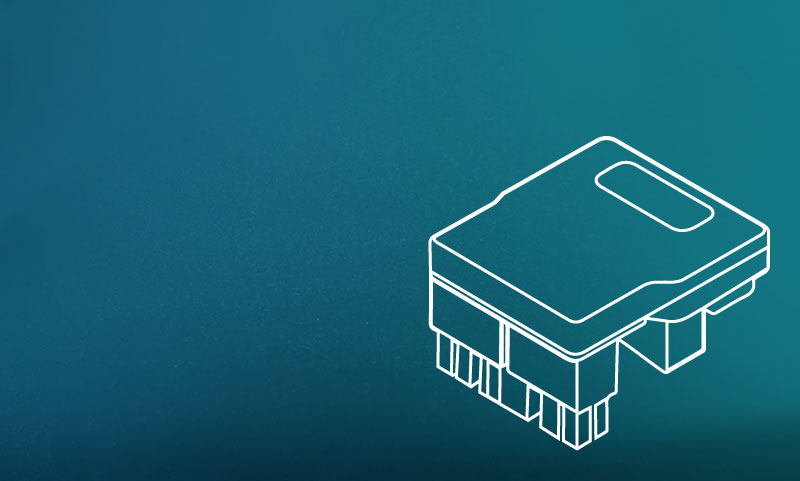
The safest and recommended method for heating the CPU for delidding is the Intel 1851 Delid-Die-Mate Heater V1, specifically designed for this purpose. This device is a PTFE-made holder with an integrated heating element compatible with the Intel 1851 Delid-Die-Mate V1. The heating element is powered via USB Type-C, requiring a charger (e.g., smartphone, laptop) that provides at least 65 watts of power. The charger is not included.
Polytetrafluoroethylene (PTFE) is a thermoplastic material with a melting point above 320°C and temperature resistance up to 260°C. It also has very low thermal conductivity. Since the Delidder heats to no more than 165°C (temperature measured at the CPU), and the heat generated by the Delidder is poorly conducted to the heater, the heater of the 1851 Delid-Die-Mate can be safely handled with fire-resistant safety gloves while heating.
The heater is activated via the control board, and the temperature measured by the sensor attached to the underside of the CPU is displayed on an OLED screen. The heating process automatically stops after either 1800 seconds (30 minutes) or upon reaching 165°C. If 165°C is not reached within 30 minutes, the heating process can be restarted.

| Color: | black, red |
|---|---|
| Material: | Aluminum |
| Socket manufacturer: | Intel |
| Socket type: | LGA 1851 |


